
Blog
Beginner’s Guide to Soap Making Chemicals
Jul
Beginner’s Guide to Soap Making Chemicals: Everything You Need to Know
Soap making is a rewarding hobby and a growing business opportunity that allows you to create customized skincare products using a variety of oils, butters, fragrances, and specialty ingredients. While the process may seem intimidating at first, understanding the basic soap making chemicals makes it much easier to formulate high-quality handmade soaps.
Whether you’re making cold process soap, hot process soap, melt and pour soap, or liquid soap, each method requires different ingredients and raw materials. Learning what each ingredient does will help you produce soaps with better cleansing, lather, hardness, moisturizing properties, and appearance.
This beginner’s guide explains the most common soap making chemicals, their functions, and how to choose the right ingredients for your recipes.
What Are Soap Making Chemicals?
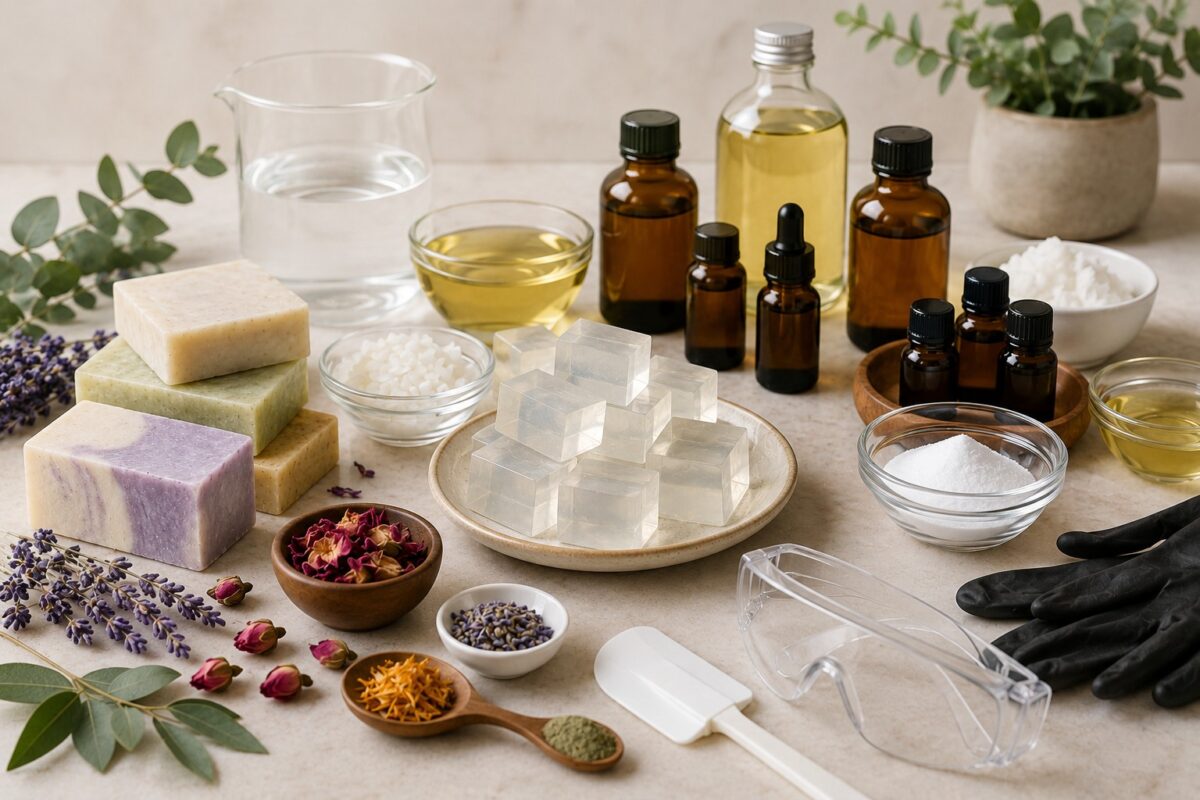
Soap making chemicals are the raw materials used to create soap through a chemical process known as saponification or to enhance the quality, appearance, fragrance, and performance of finished soap.
These ingredients include:
- Alkalis (lye)
- Vegetable oils
- Butters
- Fatty acids
- Surfactants
- Fragrance oils
- Essential oils
- Colorants
- Botanical additives
- Preservatives, where applicable
Each ingredient serves a specific purpose in the finished product.
Understanding Saponification
Saponification is the chemical reaction between oils or fats and an alkali, producing soap and glycerin.
For handmade cold process and hot process soap:
- Oils + Sodium Hydroxide (NaOH) + Water = Soap + Natural Glycerin
For liquid soap:
- Oils + Potassium Hydroxide (KOH) = Liquid Soap
Once properly cured, the finished soap contains no free lye when formulated correctly.
1. Sodium Hydroxide (Caustic Soda / NaOH)
Sodium Hydroxide is the primary alkali used for making solid bar soap.
Common Uses
- Cold process soap
- Hot process soap
- Artisan soap bars
Benefits
- Creates hard soap bars
- Produces long-lasting soap
- Essential for saponification
Always use cosmetic-grade Sodium Hydroxide and calculate the correct amount using a soap calculator.
2. Potassium Hydroxide (KOH)
Potassium Hydroxide is used to manufacture liquid soaps.
Common Uses
- Liquid hand soap
- Body wash
- Liquid castile soap
- Liquid household cleaners
Compared with Sodium Hydroxide, KOH produces softer, water-soluble soap.
3. Distilled Water
Water dissolves the alkali before it reacts with oils.
Distilled water is recommended because it contains fewer impurities than tap water, helping improve consistency and reduce unwanted reactions.
4. Carrier Oils
Vegetable oils determine many of the final properties of handmade soap.
Popular oils include:
- Coconut Oil
- Olive Oil
- Palm Oil
- Castor Oil
- Sweet Almond Oil
- Rice Bran Oil
- Sunflower Oil
- Avocado Oil
Each oil contributes different characteristics such as hardness, lather, cleansing ability, or conditioning.
5. Natural Butters
Butters add richness and conditioning to soap.
Popular choices include:
- Shea Butter
- Cocoa Butter
- Mango Butter
- Kokum Butter
They help create luxurious bars with a creamy feel.
6. Castor Oil
Castor Oil deserves special mention because it improves lather and creates a stable foam.
It is commonly used at lower percentages alongside other oils.
7. Fragrance Oils
Fragrance oils provide a wide variety of scents that may not be achievable with natural ingredients alone.
Popular fragrances include:
- Lavender
- Rose
- Sandalwood
- Vanilla
- Coffee
- Ocean Breeze
- Lemon
- Jasmine
Always use fragrance oils specifically designed for soap making.
8. Essential Oils
Essential oils offer natural botanical aromas and are popular in premium handmade soaps.
Common essential oils include:
- Lavender
- Tea Tree
- Peppermint
- Eucalyptus
- Lemon
- Rosemary
- Cedarwood
- Sweet Orange
Their performance varies depending on the soap-making process and curing conditions.
9. Soap Colorants
Colorants enhance the visual appeal of handmade soaps.
Common options include:
- Mica Powders
- Cosmetic Pigments
- Liquid Colors
- Clays
- Activated Charcoal
- Botanical Powders
Always use colorants suitable for cosmetic applications.
10. Botanical Additives
Natural additives create unique textures and attractive appearances.
Popular examples:
- Oatmeal
- Rose Petals
- Lavender Buds
- Calendula Petals
- Coffee Grounds
- Turmeric Powder
- Neem Powder
- Aloe Vera Powder
Many of these ingredients also contribute marketing appeal to artisan soaps.
11. Clays
Cosmetic clays improve texture and add natural color.
Popular varieties include:
- Kaolin Clay
- French Green Clay
- Bentonite Clay
- Rhassoul Clay
- Pink Clay
Clays are often used in facial soaps and spa-inspired products.
12. Chelating Agents
Chelating agents help reduce the effects of hard water and improve soap performance.
Examples include:
- Sodium Citrate
- EDTA, where appropriate
These ingredients may help reduce soap scum and improve shelf stability.
13. Preservatives
Traditional cold process and hot process soap generally do not require preservatives because of their high pH and low available water.
However, preservatives may be needed in products that contain free water, such as:
- Liquid soap
- Body wash
- Lotion bars with water
- Liquid cleansers
Always choose preservatives appropriate for your formulation.
Essential Equipment
Before making soap, gather:
- Digital scale
- Heat-resistant containers
- Stainless steel or silicone mixing bowls
- Stick blender
- Thermometer
- Silicone molds
- Safety goggles
- Gloves
- Soap cutter
Accurate equipment helps ensure consistent results.
Safety Tips
Always follow safe soap-making practices:
- Wear gloves and safety goggles.
- Work in a well-ventilated area.
- Always add lye to water, never water to lye.
- Keep ingredients away from children and pets.
- Label all raw materials clearly.
- Measure ingredients accurately.
- Use a reliable soap calculator for every recipe.
Safety should always come first when working with lye.
Common Beginner Mistakes
Avoid these common mistakes:
- Using incorrect lye amounts
- Measuring by volume instead of weight
- Skipping safety equipment
- Using unsuitable fragrance oils
- Adding too many additives
- Not allowing enough curing time
- Ignoring temperature control
Starting with simple recipes helps build confidence.
Frequently Asked Questions
Which chemical is essential for making soap?
For solid soap, Sodium Hydroxide (NaOH) is essential. For liquid soap, Potassium Hydroxide (KOH) is commonly used.
Can I make soap without lye?
Traditional soap cannot be made without an alkali. However, melt and pour soap bases have already undergone saponification, so additional lye is not required.
Which oils are best for beginners?
Olive Oil, Coconut Oil, Castor Oil, and Shea Butter are excellent starting ingredients for beginner soap makers.
Do handmade soaps contain harsh chemicals?
Handmade soaps can be formulated using carefully selected cosmetic ingredients. When properly made, the lye is consumed during saponification, leaving a finished soap bar rather than free alkali.
How long should cold process soap cure?
Most cold process soaps benefit from curing for 4–6 weeks, allowing excess water to evaporate and improving hardness and longevity.
Final Thoughts
Learning about soap making chemicals is the first step toward creating beautiful, high-quality handmade soaps. Each ingredient—from Sodium Hydroxide and nourishing oils to fragrance oils, clays, and botanical additives—plays an important role in the performance and appearance of the finished product.
Start with simple, well-tested recipes, use high-quality cosmetic-grade ingredients, follow proper safety procedures, and keep detailed formulation notes. As your experience grows, you’ll gain confidence in developing your own unique soap recipes for personal use or a successful handmade soap business.
