
Blog
What is Propylene Glycol and Its Uses?
Jul
What Is Propylene Glycol and Its Uses? A Complete Beginner’s Guide
If you’ve ever looked at the ingredient list on a cosmetic, perfume, lotion, shampoo, or food product, you’ve probably noticed Propylene Glycol (PG). Although its name may sound highly technical, Propylene Glycol is one of the most widely used ingredients in modern cosmetics, personal care products, pharmaceuticals, and even certain food applications.
Its popularity comes from its versatility. Propylene Glycol functions as a humectant, solvent, carrier, moisturizer, and stabilizer, helping products perform better while improving texture, consistency, and shelf life.
Whether you’re a DIY cosmetic maker, perfume enthusiast, soap manufacturer, or simply curious about cosmetic ingredients, understanding Propylene Glycol will help you better appreciate how many everyday products are formulated.
What Is Propylene Glycol?
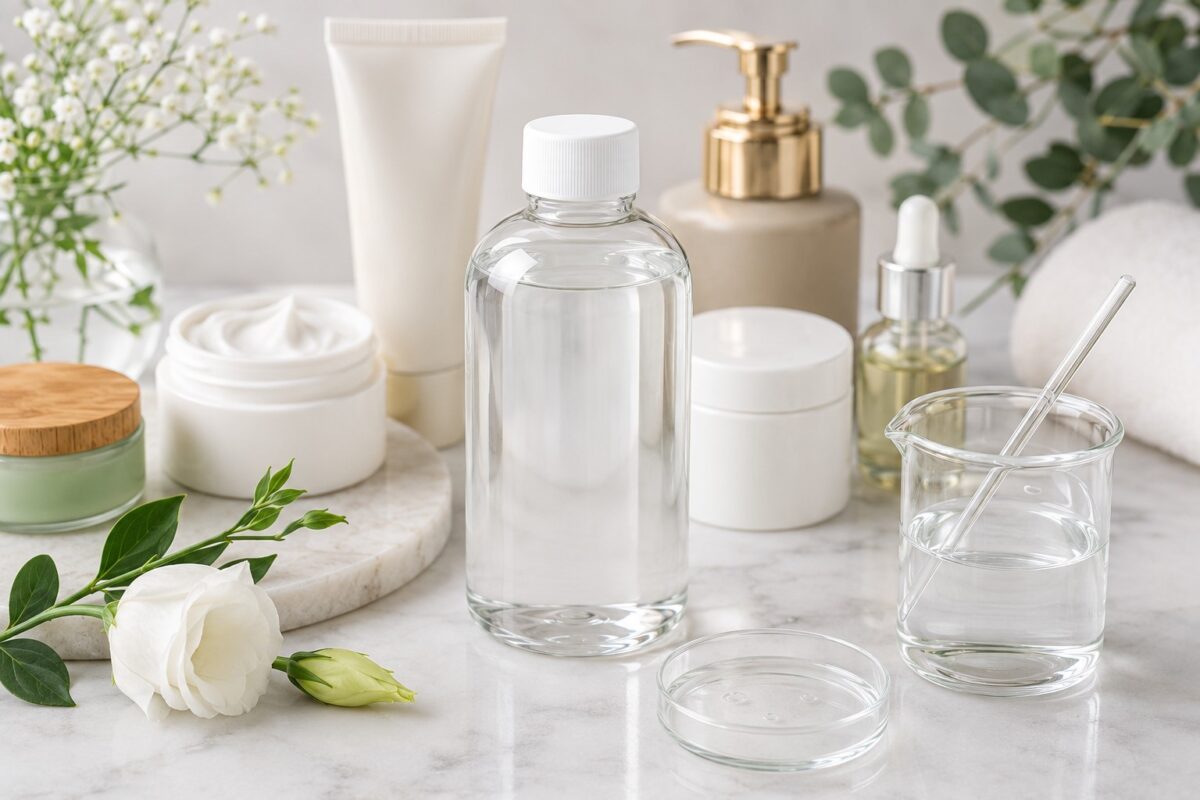
Propylene Glycol (PG) is a clear, colorless, nearly odorless liquid with excellent moisture-retaining and solvent properties. It mixes easily with both water and many organic ingredients, making it one of the most useful raw materials in cosmetic and industrial formulations.
Because it has very little odor and a smooth texture, Propylene Glycol is commonly used as a carrier for fragrances, botanical extracts, active ingredients, and colors.
Why Is Propylene Glycol Used?
Propylene Glycol performs several important functions in formulations.
It helps to:
- Retain moisture
- Improve skin feel
- Dissolve ingredients
- Blend oil-soluble and water-soluble materials
- Improve product stability
- Prevent products from drying out
- Enhance ingredient distribution
- Improve texture
These properties make it valuable across many industries.
Properties of Propylene Glycol
Some key characteristics include:
- Clear, colorless liquid
- Nearly odorless
- Water-soluble
- Hygroscopic, meaning it attracts moisture
- Excellent solvent
- Stable over a wide temperature range
- Compatible with many cosmetic ingredients
These qualities make PG suitable for a wide variety of formulations.
Common Uses of Propylene Glycol
Propylene Glycol is used in numerous industries, including:
Cosmetics
- Face creams
- Moisturizers
- Serums
- Sunscreens
- Foundations
- Makeup primers
Skincare
- Facial cleansers
- Toners
- Masks
- Lotions
- Anti-aging products
Hair Care
- Shampoo
- Conditioner
- Hair serum
- Hair styling products
Personal Care
- Body wash
- Hand wash
- Deodorants
- Shaving cream
- Liquid soaps
Fragrance Products
- Perfumes
- Body mists
- Room sprays
- Air fresheners
- Linen sprays
DIY Products
- Cosmetic formulations
- Bath products
- Handmade soaps
- Fragrance blends
Benefits of Propylene Glycol
1. Excellent Humectant
Propylene Glycol attracts and retains moisture, helping keep products from drying out and improving hydration in many cosmetic formulations.
2. Effective Solvent
Many cosmetic ingredients dissolve easily in Propylene Glycol, making formulation simpler and more consistent.
3. Improves Texture
It contributes to smoother, more pleasant product application by improving spreadability and consistency.
4. Enhances Stability
PG helps maintain uniform formulations and supports product stability during storage.
5. Supports Active Ingredients
It helps distribute active ingredients evenly throughout cosmetic products.
Propylene Glycol in Cosmetics
In cosmetic formulations, Propylene Glycol is commonly used to:
- Improve moisture retention
- Dissolve botanical extracts
- Carry active ingredients
- Enhance product spreadability
- Maintain smooth consistency
It is found in both premium and everyday cosmetic products.
Propylene Glycol in Perfumes
Propylene Glycol is sometimes used in fragrance products as a carrier or solvent, depending on the formulation.
Applications include:
- Perfume concentrates
- Body mists
- Room sprays
- Fragrance oils
- Air fresheners
Alcohol-based perfumes often rely primarily on perfumer’s alcohol, while other fragrance products may use Propylene Glycol as part of their formulation.
Propylene Glycol in Food and Pharmaceuticals
Beyond cosmetics, Propylene Glycol is also used in certain food and pharmaceutical products where permitted by local regulations.
Examples include:
- Food flavorings
- Medicines
- Oral care products
- Cough syrups
- Dietary supplements
Manufacturers must comply with applicable regulatory standards for each intended use.
Propylene Glycol vs. Glycerin
| Propylene Glycol | Glycerin |
|---|---|
| Lightweight texture | Thicker texture |
| Excellent solvent | Excellent moisturizer |
| Low viscosity | Higher viscosity |
| Widely used in fragrances | Common in skincare |
| Improves ingredient dispersion | Strong moisture retention |
Both ingredients are widely used and often complement each other in cosmetic formulations.
Propylene Glycol vs. Dipropylene Glycol (DPG)
| Propylene Glycol (PG) | Dipropylene Glycol (DPG) |
|---|---|
| Lower viscosity | Slightly thicker |
| Common in skincare | Common in fragrance formulations |
| Good humectant | Excellent fragrance carrier |
| Used in cosmetics and pharmaceuticals | Widely used in perfumes and incense |
Although their names are similar, they serve different formulation purposes.
Typical Usage Levels
The recommended amount of Propylene Glycol depends on the product being formulated.
Typical ranges include:
- Lotions: 1–10%
- Creams: 2–10%
- Shampoos: 1–5%
- Body wash: 1–5%
- Serums: As required by formulation
- Fragrance products: According to supplier recommendations
Always follow supplier technical data sheets and formulation guidelines.
Storage Guidelines
To maintain quality:
- Store in tightly sealed containers.
- Keep in a cool, dry place.
- Protect from direct sunlight.
- Avoid contamination.
- Close containers immediately after use.
Proper storage helps extend shelf life and maintain product quality.
Safety Tips
When working with Propylene Glycol:
- Use cosmetic-grade material.
- Wear gloves when handling raw materials.
- Work in a clean, ventilated environment.
- Avoid direct eye contact.
- Keep away from children and pets.
- Follow supplier safety documentation.
- Test formulations before large-scale production.
Always consult the Safety Data Sheet (SDS) supplied with the material.
Frequently Asked Questions
Is Propylene Glycol safe in cosmetics?
Propylene Glycol is widely used in cosmetics and personal care products when formulated according to applicable regulations and industry guidelines.
Is Propylene Glycol the same as Glycerin?
No. While both help retain moisture, they have different chemical structures and formulation properties.
Can Propylene Glycol dissolve fragrance oils?
Yes. It is commonly used as a solvent or carrier for many fragrance ingredients, depending on the product formulation.
Is Propylene Glycol used in perfumes?
Yes. Some perfumes, body mists, and fragrance products use Propylene Glycol as part of their formulation, although alcohol-based perfumes typically rely on perfumer’s alcohol.
Can beginners use Propylene Glycol?
Yes. It is commonly used by DIY formulators and professional manufacturers alike. Beginners should always follow tested formulations and supplier recommendations.
Final Thoughts
Propylene Glycol is one of the most versatile ingredients used in modern cosmetics, personal care products, fragrances, and pharmaceutical formulations. Its ability to retain moisture, dissolve ingredients, improve texture, and enhance stability makes it an essential raw material for countless everyday products.
Whether you’re making lotions, shampoos, perfumes, body mists, skincare products, or DIY cosmetics, understanding how Propylene Glycol works will help you formulate products that are more stable, effective, and enjoyable to use. Start with small batches, use high-quality cosmetic-grade ingredients, and always follow recommended formulation and safety guidelines for the best results.
